
Dr Chandrasekaran Venkatesan’s story is one of dedication, discipline, and lifelong learning. His journey began in August 1986 when he stepped aboard as a marine engineer, starting what would become nearly four decades at sea. Each voyage was more than a professional task; it was a lesson in resilience, teamwork, and problem-solving. The ocean tested him, shaped him, and ultimately prepared him for the role of mentor and guide he holds today.
In May 2024, when he finally came ashore for the last time, it was not the end of his career but the beginning of a new phase. His heart was set on teaching, on sharing with the next generation what years of experience had taught him. Today, as an assistant professor at Vels University’s School of Maritime Studies, he continues to inspire young minds to carry forward the legacy of maritime excellence.
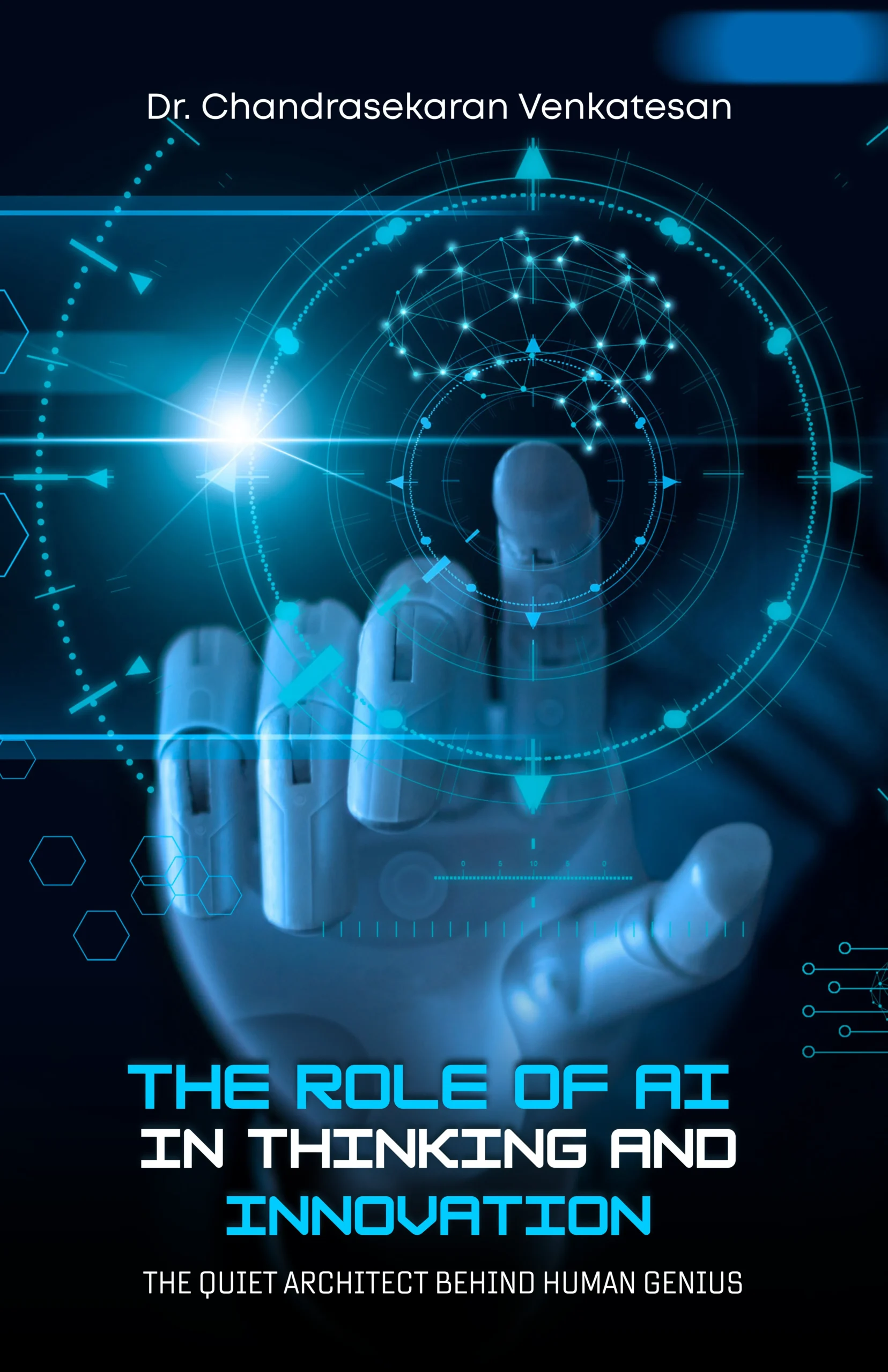
His book, The Role of AI in Thinking and Innovation, reflects this mission. Drawing on his vast experience, Dr Venkatesan explores how technology, especially artificial intelligence, is changing industries like shipping. But unlike many who only praise technology, he takes a balanced approach. He shows readers the strengths of AI while also warning about its limits and risks. His perspective is clear: machines can guide, but human judgement, creativity, and accountability can never be replaced.
What makes Dr Venkatesan’s work special is his honesty. He doesn’t glorify technology, nor does he dismiss it. Instead, he brings the discussion back to balance, reminding us that real progress lies in using AI wisely, without losing sight of the human element. His writing is simple, relatable, and deeply practical, qualities that reflect his own personality as both a teacher and a lifelong learner.
Through his career at sea, his teaching in the classroom, and now his writing, Dr Chandrasekaran Venkatesan embodies the values of responsibility, humility, and vision. His story is proof that knowledge is not just about what we learn but how we share it with others. And in that sharing, he continues to shape the future of maritime studies and beyond.


